Programmes

SHIMEKAZARI — Welcoming the New Year
Release & Renewal
Shimekazari (しめ飾り) are traditional Japanese New Year decorations made from sacred straw rope and symbolic natural elements. Placed at the entrance of the home before the New Year, they mark a purified space and welcome good fortune for the year ahead. In this seasonal gathering, participants will discover the meaning and materials behind Shimekazari and create their own decoration by hand. More than an ornament, it is a quiet ritual of preparation — letting go of the old, making space for renewal, and welcoming a new beginning. For 24 SETSU, this gathering becomes a symbolic threshold into 2027: a moment to prepare, reconnect and welcome the year of connection ahead.
28.12.2026
Tōji 冬至
1 AFTERNOON
Luxembourg — venue to be announced
€45 per person
Booking Open in 1st Nov.2026
All materials included

達磨 Daruma
One Eye, One Wish
Traditionally, a Daruma begins with blank eyes. A person paints one eye while setting a wish or goal, and paints the second when that intention has been fulfilled. Daruma is associated with perseverance — falling and rising again.
09.01.2027
小寒 SHŌKAN
1 AFTERNOON
Venue to be announced
€25 per daruma
Booking Open 1st November 2026

SETSUBUN— Bean-Throwing Festival
Demons out, luck in — welcoming the first signs of spring
Setsubun marks the transition from winter to spring in Japan and takes place on the day before Risshun, the first of the 24 seasonal divisions, or Nijūshi Sekki. Its best-known ritual is mamemaki: roasted soybeans, called fuku mame or “lucky beans,” are thrown while calling “Oni wa soto! Fuku wa uchi!” — “Demons out! Luck in!” The ritual symbolically clears away misfortune and welcomes good fortune for the season ahead. More than a festival, Setsubun expresses a distinctly Japanese way of marking seasonal change through simple acts, shared rituals and a renewed awareness of nature’s rhythms.
03.02.2027
Risshun (立春)
1 afternoon
Luxembourg — venue to be announced
€15 per person
Coming Soon
MA TALKS 01
The Architecture of Connection
COMING SOON
2027
啓蟄 KEICHITSU
2 afternoons
Venue to be announced
free

雛祭り HINAMATSURI — GIRLS’ DAY
For the Girl You Are Becoming
Hinamatsuri welcomes the first signs of spring with a wish for girls to grow in health and happiness. For 24 SETSU, the Japanese tradition becomes an intimate ritual between generations — exchanging wishes, words and hopes for the future. Girls are invited to come with a mother, grandmother, sister, aunt, mentor — or someone important in their life. Together, they take part in a small spring ritual of wishes, flowers and words for the future.
03.03.2027
雨水 USUI
ONE AFTERNOON
ELSEWHERE GALLERY

HANAMI Remich
A Spring Gathering Along the Moselle
Hanami in Remich is envisioned not as a loud festival, but as a refined seasonal cultural gathering inspired by Japanese spring traditions and the concept of “Ma” — the interval, pause, and atmosphere between people, nature, and time. Situated along the Moselle river in Remich, the event transforms the cherry blossom promenade into a poetic cultural landscape where visitors gather slowly through craft, tea, food, music, and shared moments. The event aims to create an emotional and spatial experience rather than simple entertainment.
18.04.27 or 25.04.27
清明 SEIMEI
Sunday
Remich Moselle

KINTSUGI WORKSHOP
The Beauty of Repair
Kintsugi — The Beauty of Repair Kintsugi (金継ぎ) is the Japanese art of repairing broken ceramics with lacquer and powdered metal, often gold. Rather than hiding the cracks, it makes them visible, transforming damage into part of the object’s story. Rooted in ideas of care, imperfection and renewal, kintsugi reminds us that what has been broken can return with a new beauty — not despite its history, but because of it.
2027
2 days
Venue to be announced
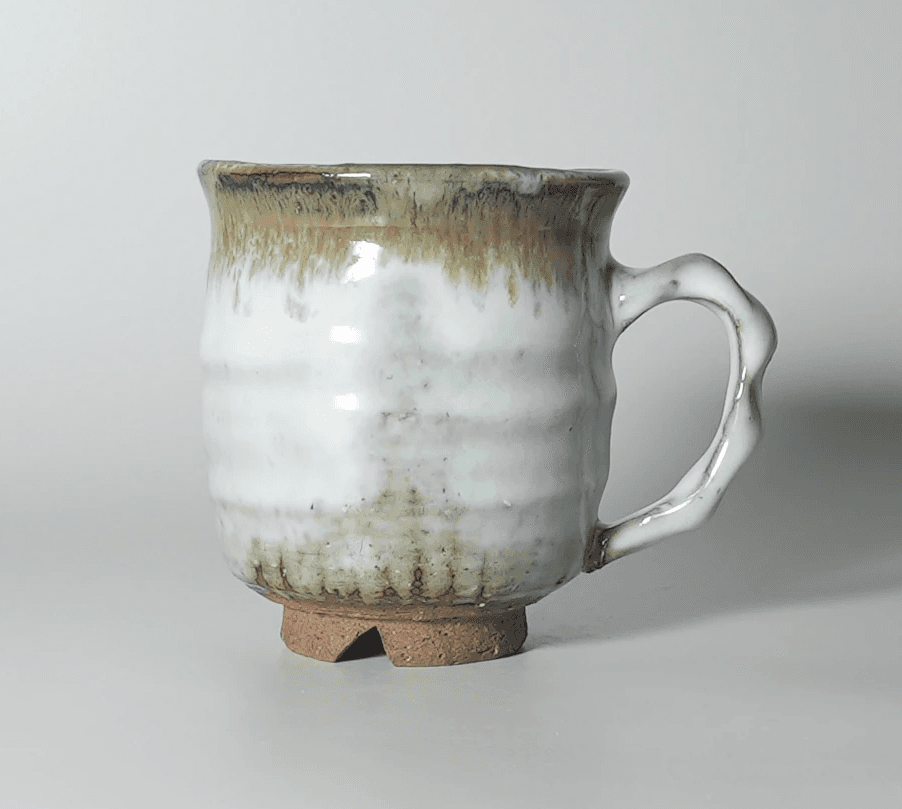
HAGI-YAKI 萩焼 EXHIBITION
Clay, Tea and the Beauty of Time
Hagi-yaki (萩焼) is a celebrated Japanese ceramic tradition from Hagi in Yamaguchi Prefecture, shaped by more than four centuries of tea culture. Known for its soft clay, gentle glazes and quiet, imperfect forms, Hagi ware is especially valued for the way it changes through use. Tea gradually penetrates its porous surface, subtly altering its colour and character — a transformation known as Hagi no nanabake, the “seven changes of Hagi.” Each vessel therefore becomes more personal with time, carrying traces of touch, tea and everyday ritual.
2027
elsewhere gallery

梅とプラム — UME & QUETSCHE
Two Fruits, One Season
Japan’s ume and Luxembourg’s quetsche meet through a shared tradition of preserving the taste of a season. Participants are invited to prepare their own jar inspired by umeshu-making, layering fruit, sugar and spirit and leaving time to complete the transformation. The workshop is followed by a tasting that brings the two cultures to the same table: Japanese umeshu paired with Luxembourg Quetschentaart. Fruit, patience and time become a simple dialogue between Japan and Luxembourg — two seasonal traditions, preserved in different ways.
19.06.2027 Saturday.
芒種 BŌSHU
1 AFTERNOON
Venue to be announced

SETSU-AN OPENING
A Place to Notice the Living World
SETSU-AN SETSU-AN begins with a simple idea: architecture does not need to compete with nature. It can create the conditions for nature to become perceptible. Inspired by the Japanese understanding of the twenty-four seasonal terms and the spirit of ichigo ichie — one moment, one encounter — SETSU-AN is conceived as a small spatial instrument for noticing what is already there: a shift of light, the movement of wind, rain on timber, changing shadows, the scent of the forest, or the silence between seasons. Its form draws from the intimacy of the Japanese tea house, not as a place for tea ceremony, but as a way of slowing the body and sharpening perception. A low threshold, an engawa, framed views and carefully controlled openings invite the visitor to enter another rhythm. Its exterior is conceived in charred timber — a protective skin marked by fire — while the interior remains quiet and tactile. Rather than representing nature, SETSU-AN allows nature to complete the work. Nothing is staged. Nothing is guaranteed to happen. Each visit belongs to a particular season, weather and moment — and will never occur in exactly the same way again. Architecture prepares the conditions. Nature completes the encounter.
2027
夏至 GESHI
2 afternoons
Venue to be announced
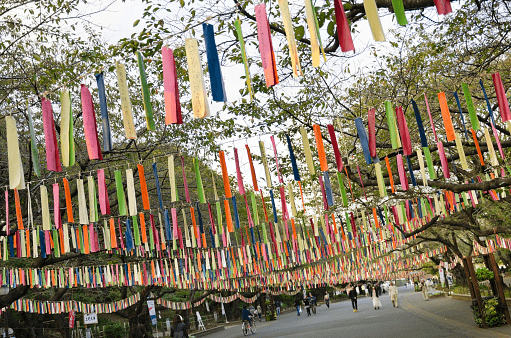
TANABATA
Words Left Untold
Atolye Analog is a packaging and identity project for a boutique brand specializing in handcrafted ceramics. Combining natural textures, warm tones, and minimal typography, we created a cohesive visual language that highlights the brand’s craftsmanship and authenticity.
17.06.2027 - 07.07.2027
小暑 SHŌSHO
3 weeks
Elsewhere gallery

海の日 Umi no Hi
The Sea, from a Land Without One
For Umi no Hi — Marine Day, 24 SETSU invites artists from different backgrounds to respond to one shared subject: the sea. Luxembourg has no coastline, yet the sea remains present through memory, migration, longing, trade, ecology and imagination. Through painting, photography, sculpture, sound, installation and other artistic practices, the exhibition brings together different interpretations of what the sea can mean — as landscape, distance, origin, passage, loss or possibility. Rather than depicting one sea, Umi no Hi becomes a collection of many seas, seen from a land without one.
16.07.2027 - 06.08.2027
大暑 TAISHO
three weeks
Elsewhere gallery

YUNOTSU YAKI
Earth, Fire and the Memory of a Port.
Yunotsu-yaki | 温泉津焼 Yunotsu-yaki is a traditional pottery rooted in the historic port town of Yunotsu, Shimane. Developing from the early 18th century, its ceramics were originally made as robust vessels for storing and transporting food and water along maritime trade routes. Fired in traditional noborigama climbing kilns using local clay, Yunotsu-yaki belongs to the wider tradition of Iwami pottery and is known for its earthy character, durability, and simple functional beauty. Today, local potters continue this heritage while bringing it into contemporary everyday life.
2027
1 month
Elsewhere gallery

ONIGIRI
The Taste of Memory
Simple, familiar, and deeply personal, onigiri is more than rice shaped by hand. It carries memories of home, journeys, school lunches, family kitchens and everyday care. In this workshop, participants will learn how to prepare and shape Japanese rice balls while discovering the stories, ingredients and small rituals behind them. Each person is invited to create an onigiri connected to a taste, place or memory of their own. Part of 24 SETSU, The Taste of Memory explores food as a quiet form of connection — between generations, cultures and people — reminding us that sometimes the simplest things are those we remember most.
11.09.2027
小満 ShŌMAN
2 afternoons
Venue to be announced

MA TALKS 02
Rethinking Architecture Through Reuse
How can architecture respond to a world of limited resources? MA TALKS brings together architects and practitioners to explore circular economy, material reuse, reversible construction and new ways of designing with what already exists. Invited architect Arnaud de Meyer of STDM will share his experience and perspective on contemporary architectural practice, opening a dialogue between European approaches and Japanese traditions of timber construction, repair and adaptability. Through conversation and exchange, MA TALKS asks how buildings can be conceived not as fixed objects, but as evolving structures — capable of being transformed, dismantled, reused and given another life.
2027
雨水 USUI
2 afternoons
Venue to be announced

BEYOND ORE
From Silver and Iron to Living Heritage
Initiated in Luxembourg by Elsewhere Gallery and developed by Echoes of Japan ASBL as part of the 24 SETSU – Twenty-Four Seasons of Connection programme, Yunotsu ↔ Minett is an artistic research and cultural exchange project exploring the shared histories of two former mining territories: Yunotsu and the Iwami Ginzan Silver Mine in Japan, and the Minett region of Luxembourg. Although separated by more than 9,000 kilometres, these landscapes share remarkable parallels. Both were shaped by the extraction of natural resources, both transformed national economies, and both are now redefining themselves through heritage, culture and community. Rather than presenting history as a static archive, the project asks a contemporary question: How can former industrial landscapes become living cultural ecosystems once again? Through artistic research, photography, interviews, mapping, installations and public programmes, the project seeks to create a dialogue between two regions whose stories have never before been connected.
2027
1 month
Venue to be announced

SHICHI-GO-SAN
Growing Together
Inspired by the Japanese tradition of Shichi-Go-San (七五三), Growing Together celebrates one of life's most precious journeys: watching a child grow. Across cultures, parents witness countless transformations. First steps, first words, new friendships, moments of courage, moments of discovery. Yet these milestones often pass quietly. Growing Together invites 24 families (8 families for each age) to pause, reflect, and celebrate the unfolding story of childhood. Rather than recreating a traditional Japanese festival, the programme reinterprets Shichi-Go-San as a contemporary seasonal ritual for multicultural families in Luxembourg, honouring growth, memory, belonging, and hope.
16.11.2027
立冬 RITTŌ
1 day
Embassy of Japan

KIGUMI WORKSHOP
Cutting kigumi joints by hand
Between Winter and Spring Shimenawa & Mizuhiki Seasonal Workshop. Inspired by the Japanese seasonal tradition of Setsubun (節分), this programme explores purification, transition, release, and renewal through participatory craft gestures and symbolic seasonal objects. The workshop centers around the creation of shimenawa-inspired entrance ornaments using straw, rope, and mizuhiki elements. Traditionally hung at entrances in Japan, shimenawa marks a symbolic threshold between spaces and welcomes renewal, protection, and good fortune for the coming season. Participants are invited to create seasonal entrance ornaments that they can bring home and live with throughout the year.
2027
2 afternoons
Venue to be announced

KIGUMI EXHIBITION
The Art of Joining Wood
Kigumi is the Japanese art of joining timber without nails or screws — a craft built on precision, patience and an intimate understanding of wood. This exhibition explores kigumi not only as a construction technique, but as a philosophy of making: elements meet, support one another and remain reversible. Through joints, tools, timber samples, drawings and contemporary interpretations, visitors discover how Japanese carpentry balances strength with lightness, permanence with adaptability. Presented within 24 SETSU, the exhibition connects traditional knowledge with today’s questions of circular construction, material responsibility and reuse — showing how an ancient craft can inspire a more thoughtful way of building for the future.
2027
霜降 SŌKŌ
2 months
Venue to be announced